More than half a century after its debut, Mercedes-Benz is offering its legendary four-rotor C 111-II for public sale for the first time.
Story by PAS Staff
Photography courtesy of Mercedes-Benz
When we think of four-rotor engines, Mazda’s 787B, RX-7 builds and the unmistakable sound of a rotary screaming at high rpm typically come to mind. But long before Mazda’s historic victory at Le Mans in 1991, Mercedes-Benz was experimenting with a four-rotor supercar of its own.
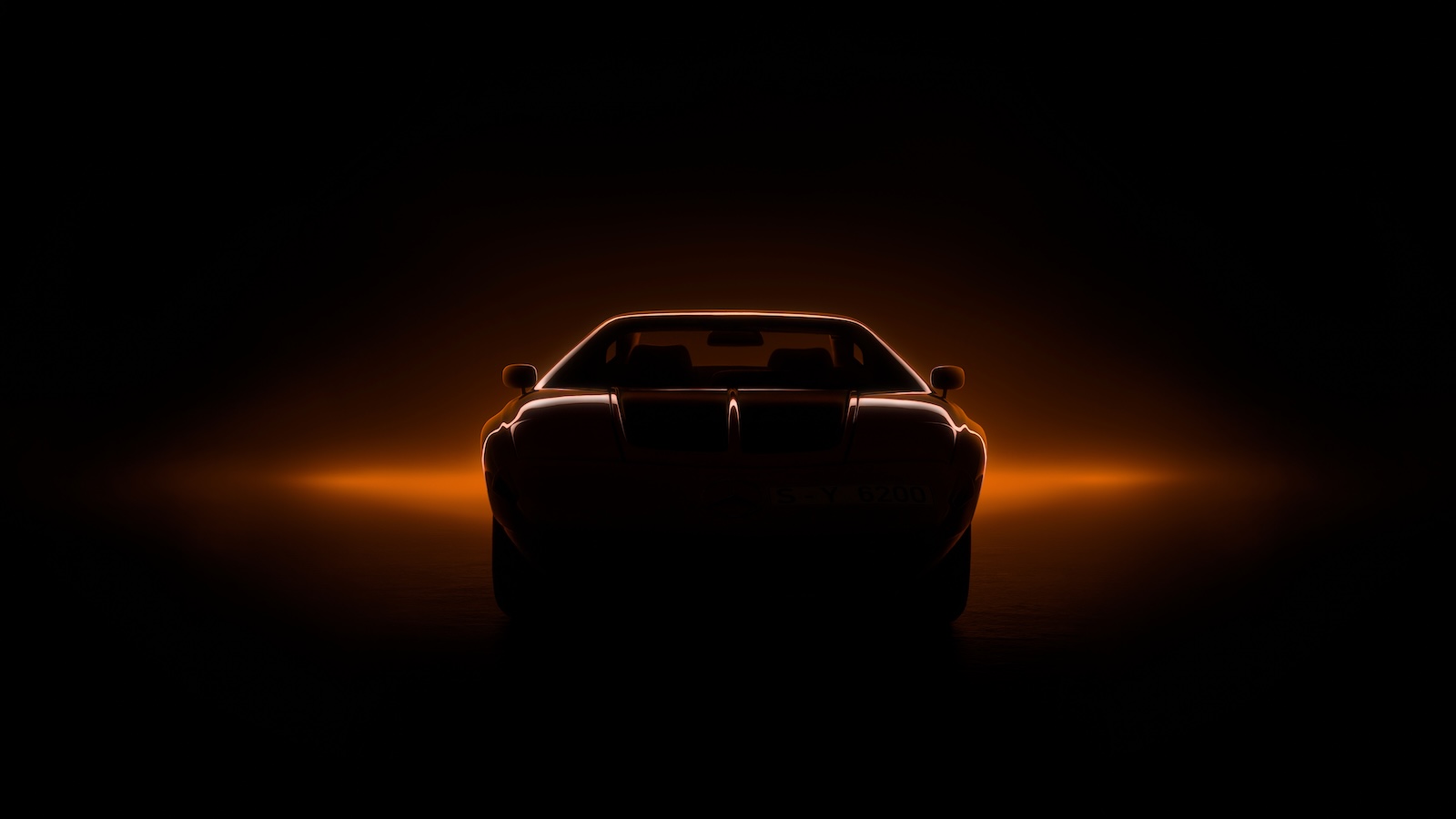
And now, for the first time, you can buy one. You’ll just need a considerably larger budget than your average rotary swap.
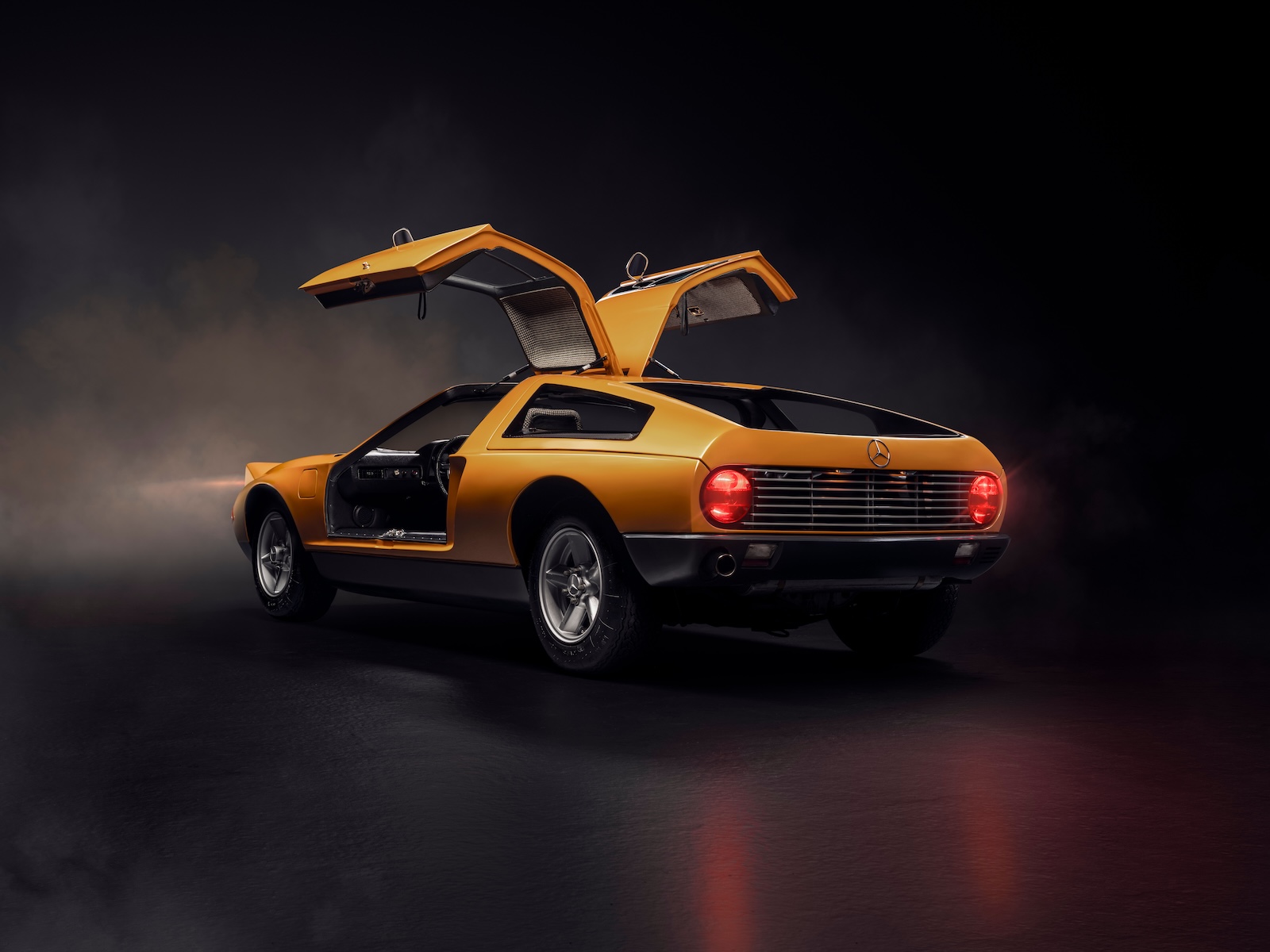
Mercedes-Benz has announced that its 1970 C 111-II will be offered at auction through RM Sotheby’s on February 3, 2027, at the Palais du Louvre in Paris during Rétromobile. The auction house has indicated a value in excess of €25 million.
Four Rotors, No Pistons
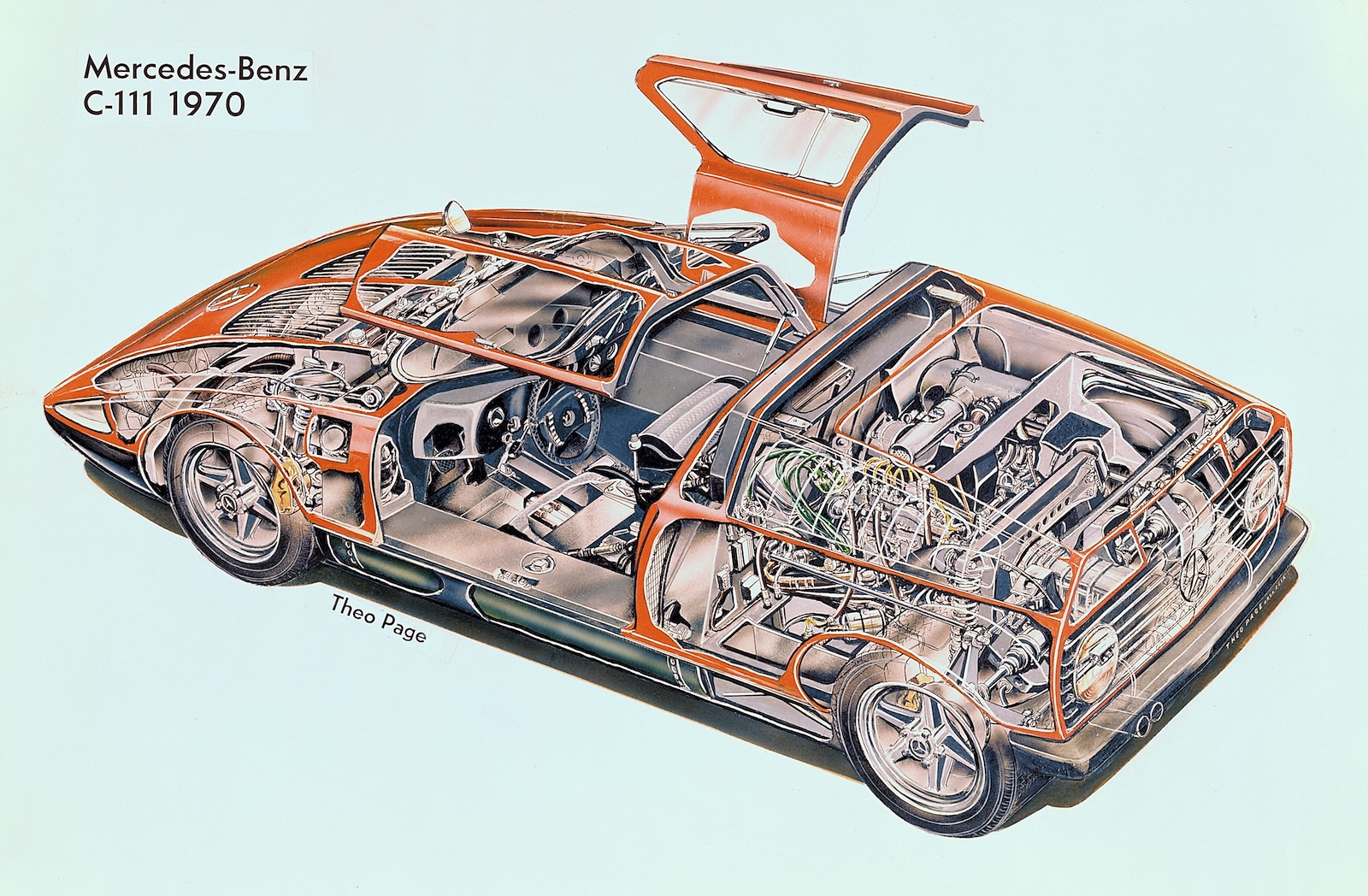
The original C 111 made its public debut at the 1969 Frankfurt Motor Show. Conceived as an experimental platform, it combined rotary power, a mid-engine layout, fiberglass-reinforced bodywork and gullwing doors that carried forward the design legacy of the 300 SL.
Mercedes-Benz followed it with the redesigned C 111-II at the 1970 Geneva Motor Show, increasing the rotor count from three to four.
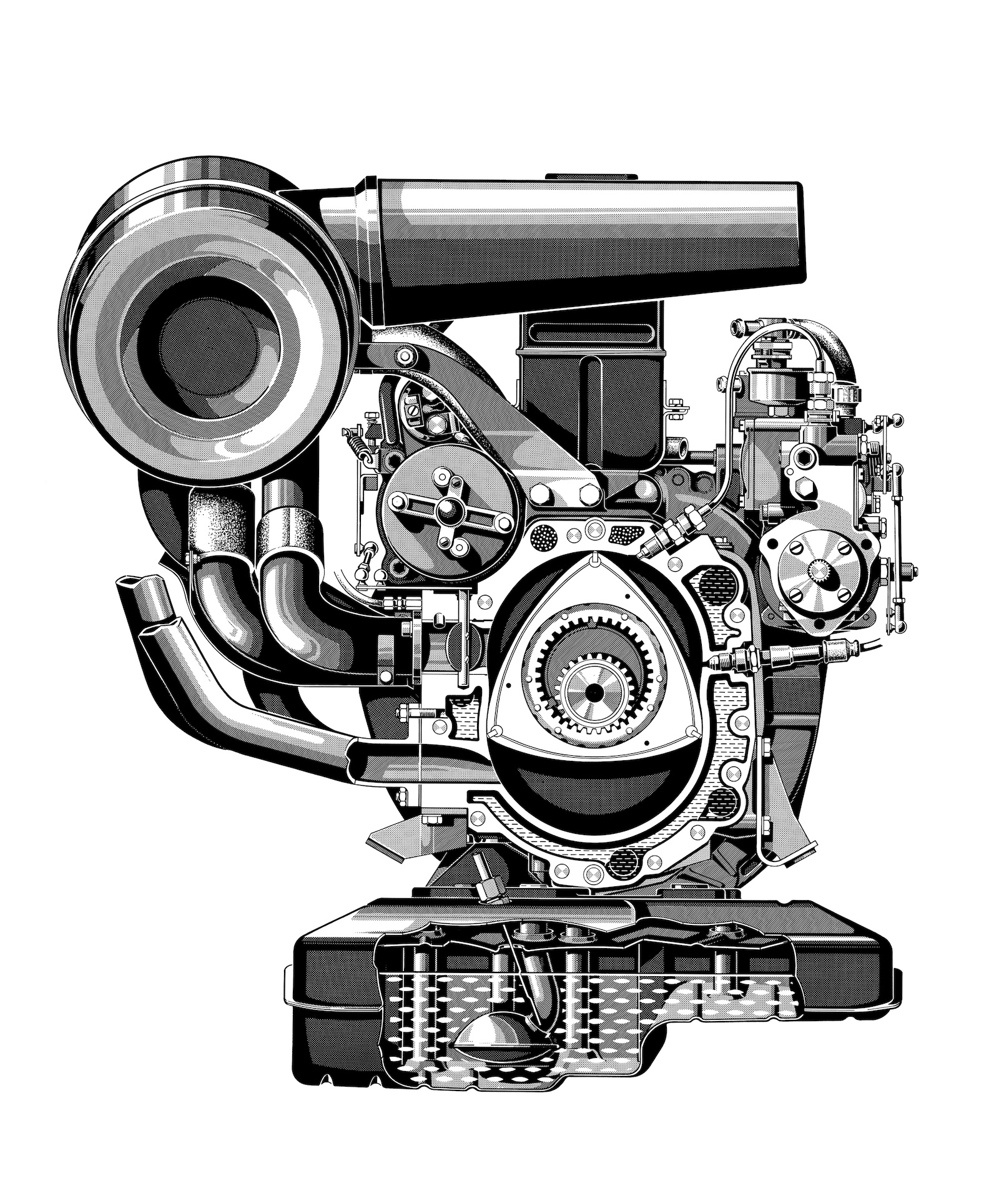
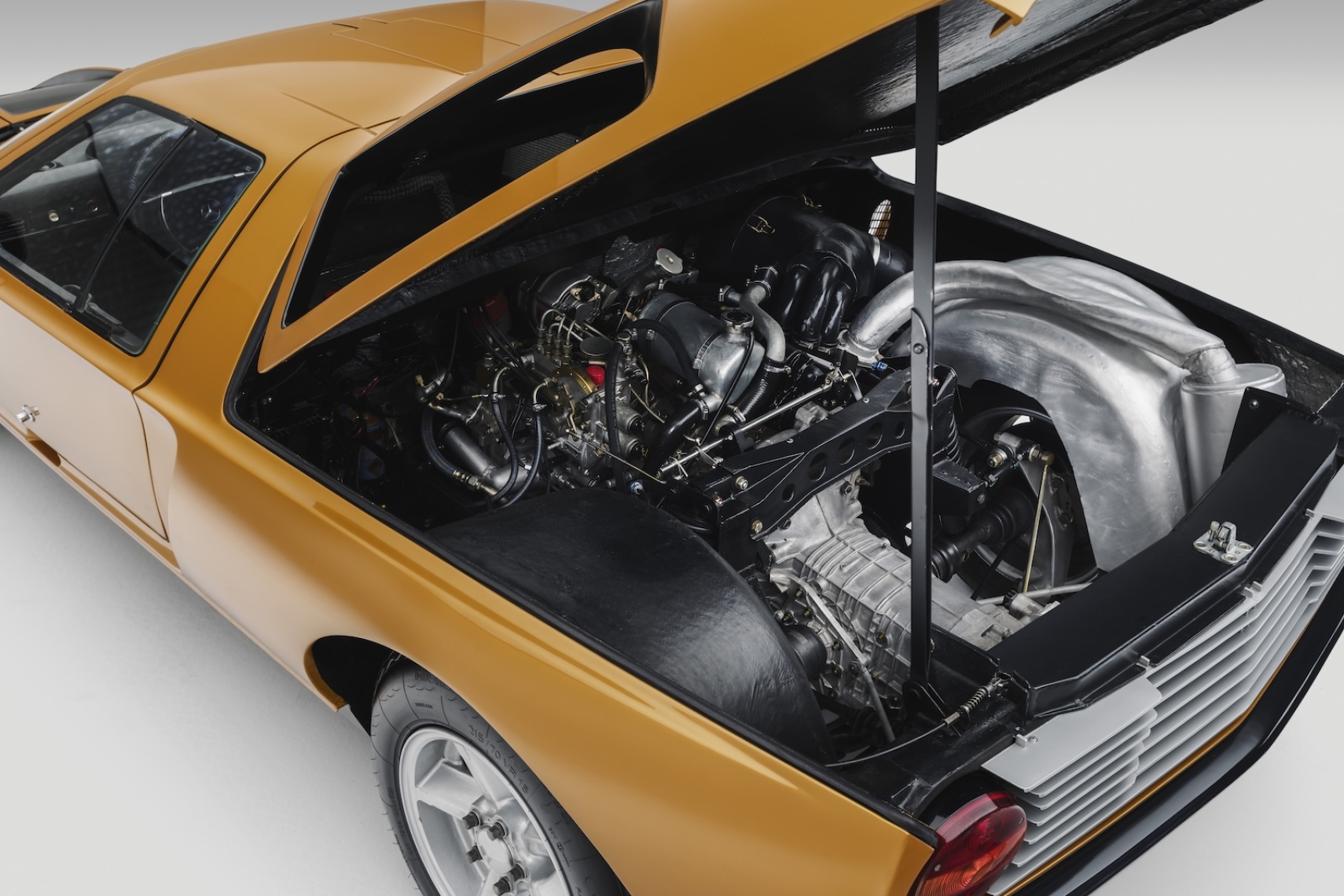
Its 2.4-liter M 950 W 48 Wankel engine generated 345 hp at 7,700 rpm and 289 lb-ft of torque between 4,000 and 5,500 rpm. Power was delivered through a ZF five-speed manual transmission.
With a curb weight of approximately 2,734 pounds, the C 111-II was capable of accelerating from 0–62 mph in 4.8 seconds and reaching a top speed of 186 mph.
Those are impressive numbers for a car developed more than 55 years ago, particularly from a naturally aspirated rotary engine.
The Supercar That Never Was
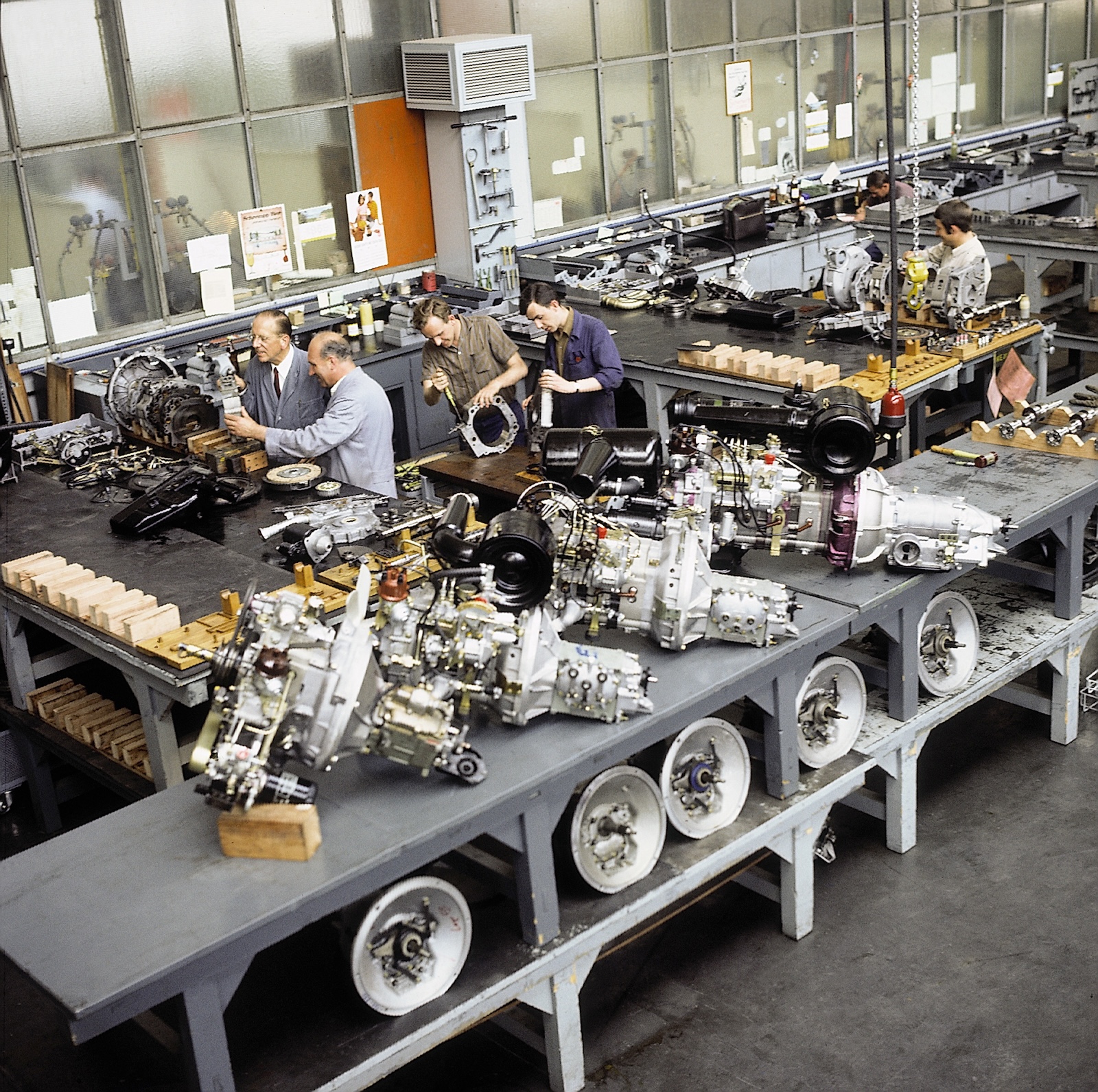
Despite considerable public interest, the C 111 never reached production. Manufacturing costs, increasingly stringent emissions requirements and the 1973 oil crisis ultimately worked against its commercial prospects.
The program continued, however, with subsequent diesel-powered and twin-turbo V8 variants setting speed and endurance records throughout the 1970s.
Of the 17 C 111 prototypes constructed throughout the program, 13 remain in the Mercedes-Benz collection.
From Test Track to Auction Block
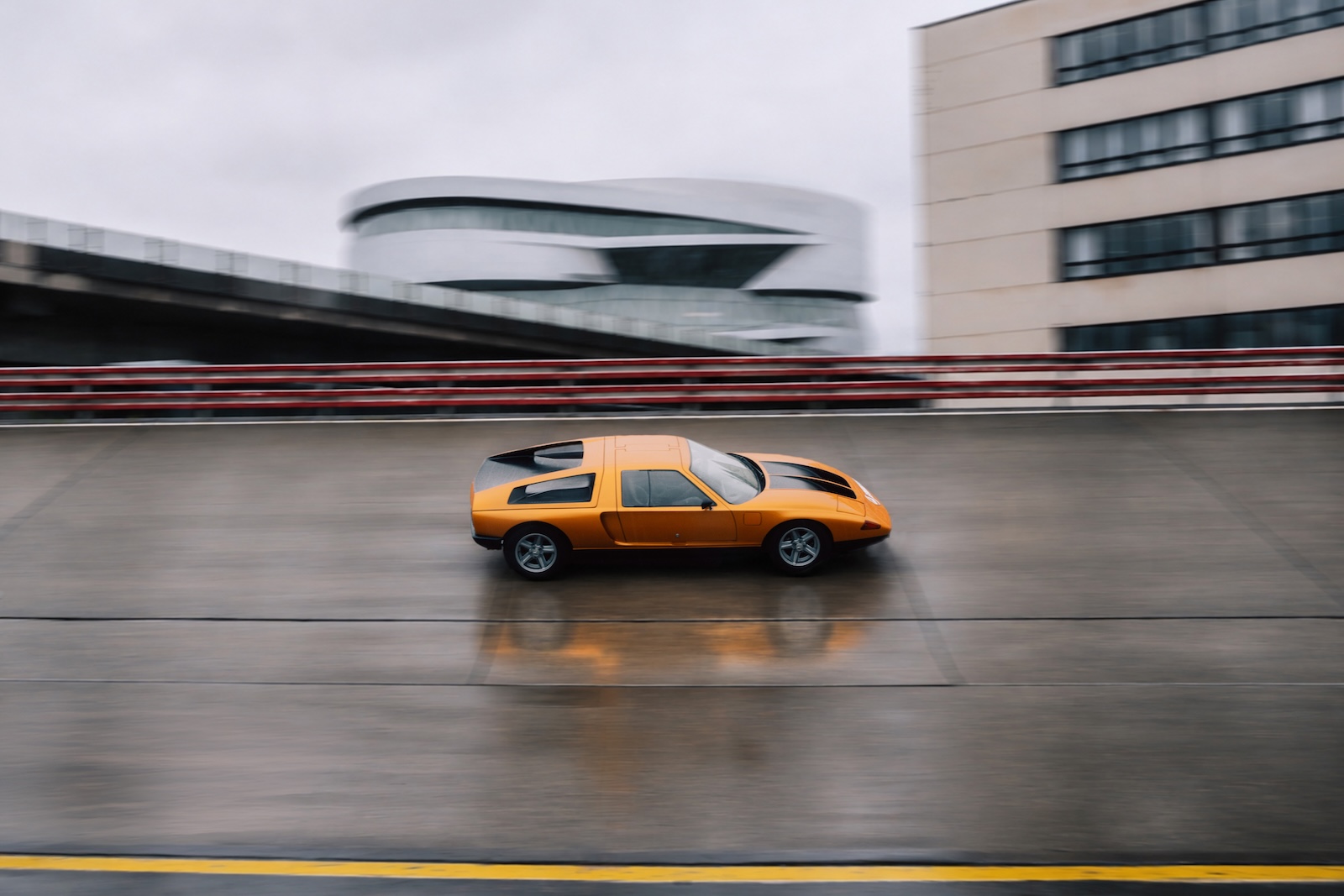
The example heading to auction, internally designated Car 33, received its four-rotor engine in August 1970 and served as a development vehicle, including testing at the Hockenheimring.
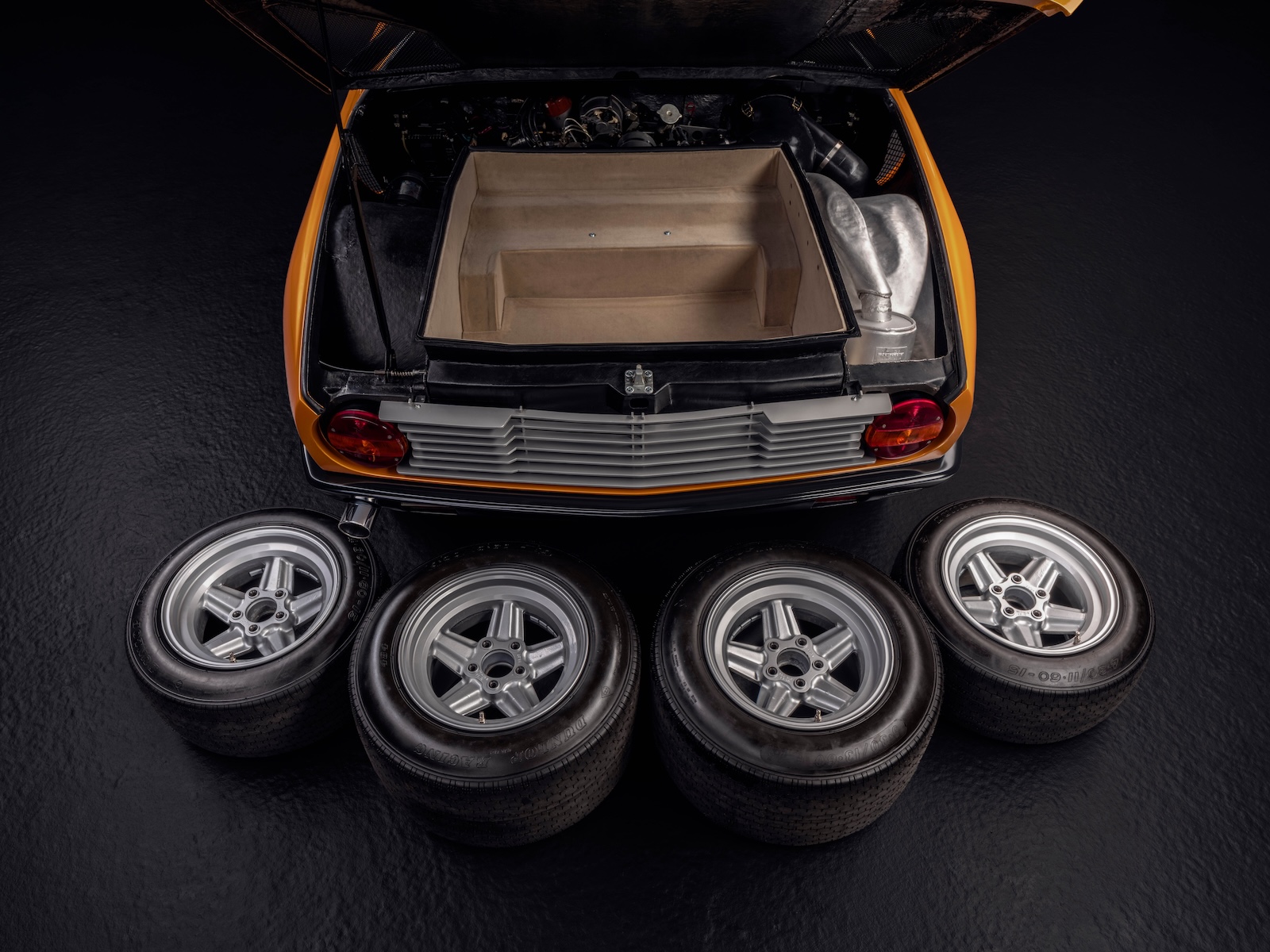
It also experimented with staggered magnesium racing wheels measuring 15x10 inches up front and 15x13 inches at the rear. Both the original road and racing wheel sets are included in the sale, although the magnesium wheels are now reserved for display.
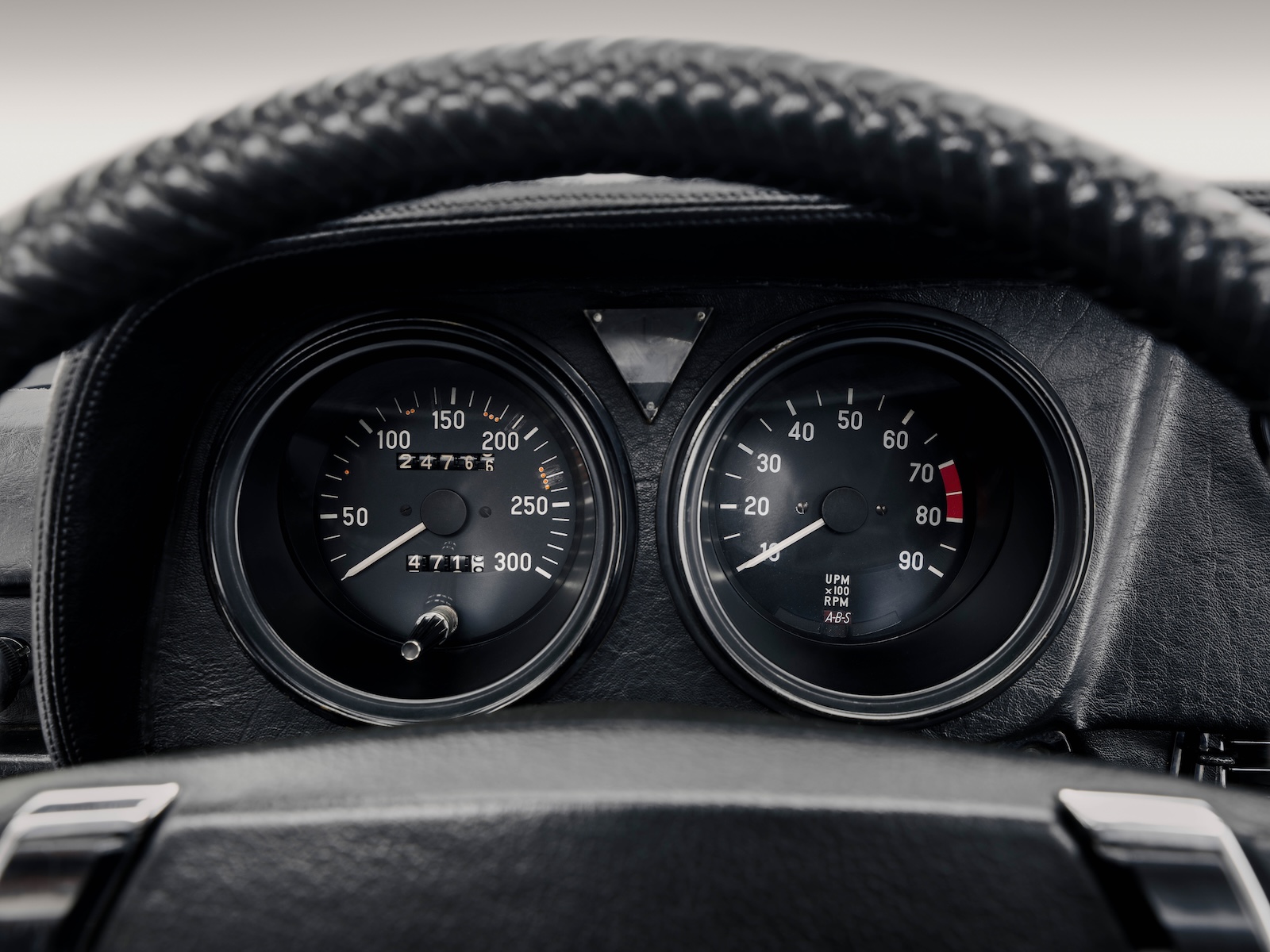
In 2024, Mercedes-Benz returned Car 33 to running condition, rebuilding its powertrain while retaining the aged finishes of its bodywork and cabin. As of October 2026, its odometer displayed just 24,766 kilometers (approximately 15,389 miles).
Mercedes-Benz has committed to retaining its remaining C 111s for at least another 25 years, with proceeds from the auction supporting the future development of the Mercedes-Benz Museum.
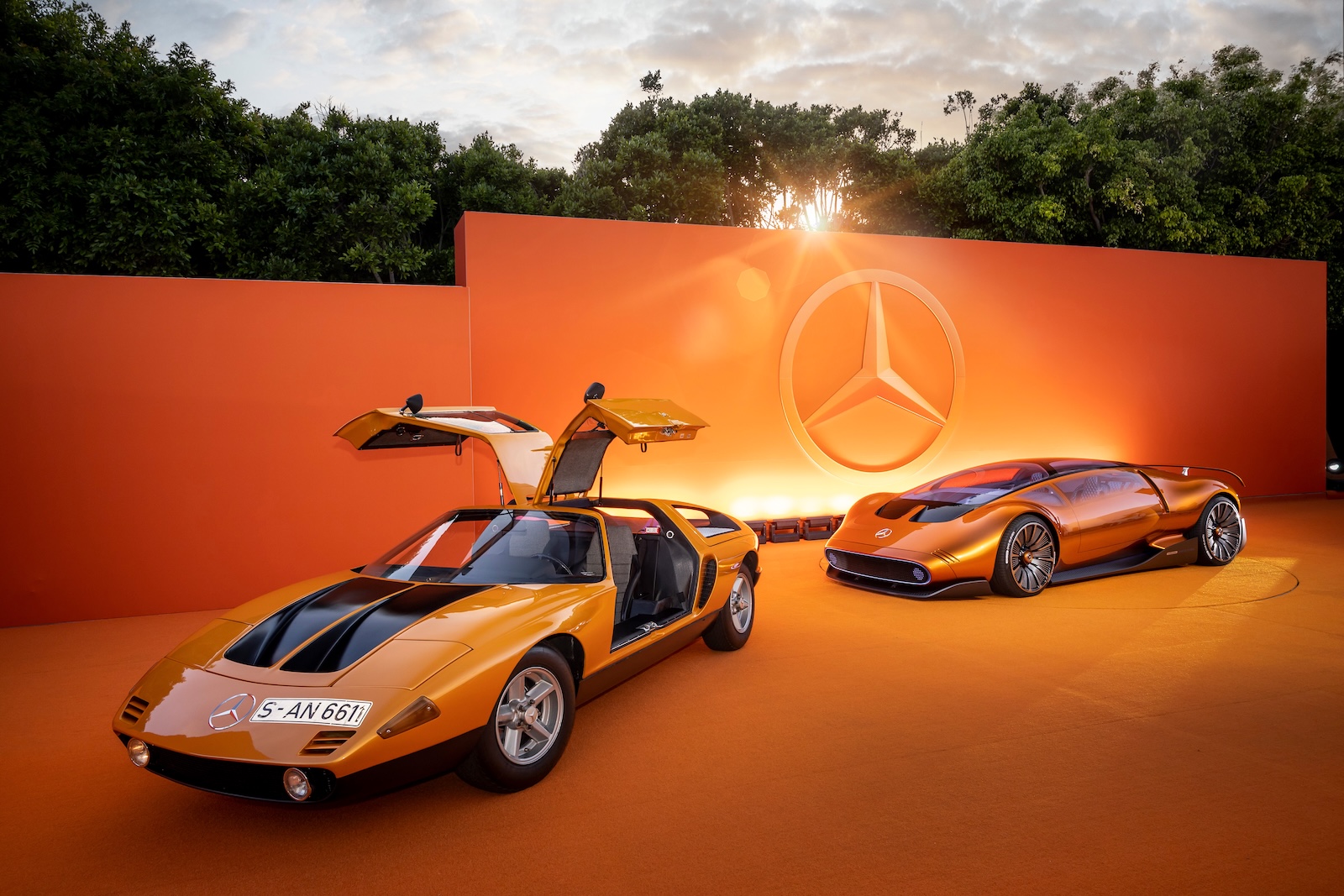
For rotary enthusiasts, the C 111-II represents a fascinating chapter in the engine’s history — one in which Mercedes-Benz explored an alternative to conventional piston power and came remarkably close to creating one of the most unconventional supercars of its era.
For more info, visit RM Sotheby’s.